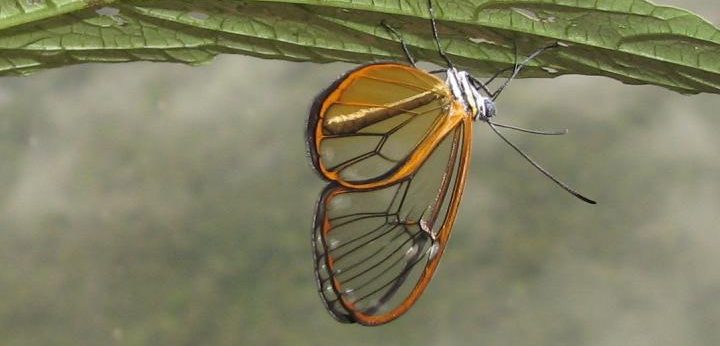
In the context of climate change, exploring how structures engage in multiple functions simultaneously (e. g. how skin helps impermeability, resistance to damage, communication, camouflage, and thermoregulation) is crucial as multifunctional traits likely experience conflicting selective pressures and are ideal to reveal functional trade-offs and synergies, understand functional compromises and uncover the constraints that limit species adaptation. It is also crucial for applied physics to generate artificial structures that would fulfill several functions simultaneously and in an optimized way.
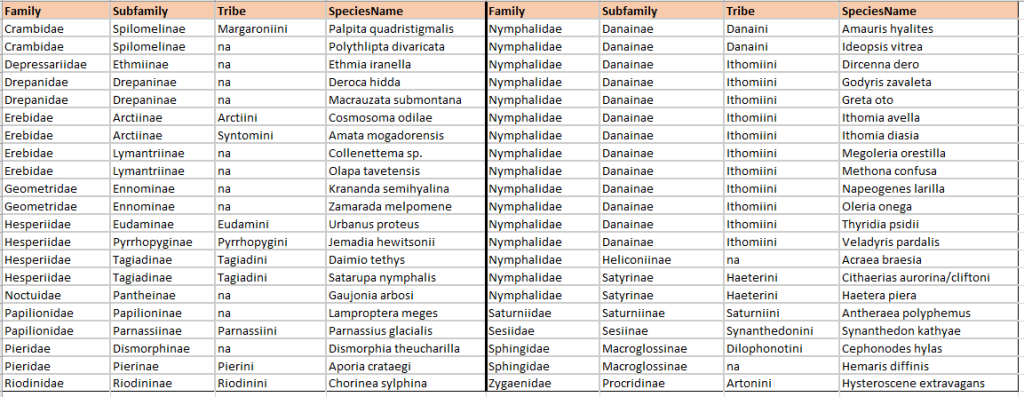
We plan to exploit the unprecedented structural diversity at nano, micro and macroscale that our studies have shown before to explore how nano/micro/macro scales interplay in generating physical (optical/thermal/wetting/antimicrobial) properties, potential trade-offs and synergies, and whether variation in structure organisation (disorder) stabilises physical properties. Gathering experts from biology, physics, and computer graphics, this interdisciplinary project will combine thorough physical measurements, modelling and comparative analyses to identify which structural features and at which scale influence most the physical properties and can mitigate potential trade-offs. For this purpose, we have defined a list of 42 species from 15 families (see list below) for which we plan to measure structures, physical properties, and compare them in comparative analyses. Notice that transparency has been recorded in 31 families so far so our selection encompasses a large proportion of the existing diversity.
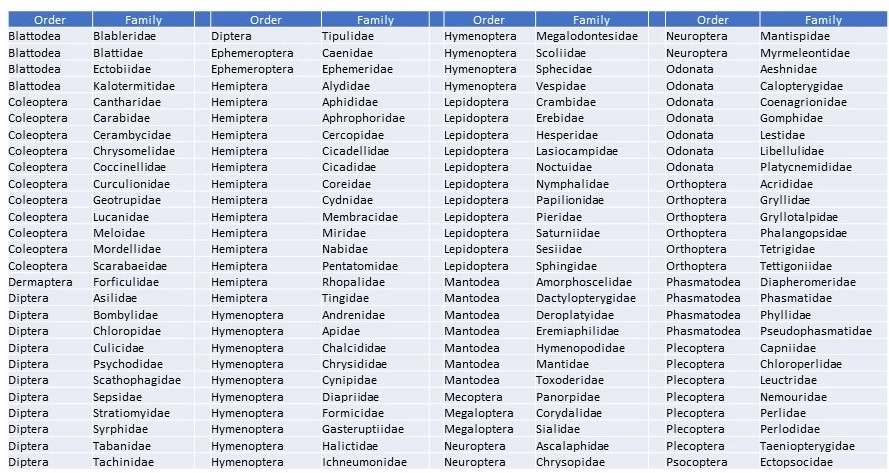
To explore the role of nanostructures on the wing membrane and its link to ecological functions (protective or agressive camouflage, communication with conspecifics or predators, thermoregulation, flight enhancement) and their evolution, we need to encompass a higher ecological diversity than just butterflies and moths (which are very similar in their diet for instance). For this question, we plan to include ~150 species from 17 insect orders (below the list of orders and families) to encompass a high phylogenetic and ecological diversity. We will measure wing nanostructures in SEM imaging and transmittance in optics.